Families are often described as the building blocks of society. I wonder if they’re something even more important—a microcosm of society itself. This article is a personal reflection on how the values we model in families, schools, government and the media may shape the society we become. I’d be interested to hear your thoughts.
Today’s headlines once again focus on violence within one of Britain’s highest-security prisons. Whatever the outcome of the latest allegations involving Axel Rudakubana, they raise a broader question that extends far beyond prison walls: what sort of society are we becoming, and what values are we modelling for future generations?
Families are often described as the building blocks of society. I would go further. Families are a microcosm of society itself. The relationships, expectations, routines and values experienced within the home are reflected in our schools, our workplaces and, ultimately, our institutions.
Many teachers now speak openly about the increasing difficulty of managing behaviour in classrooms. While the reasons are undoubtedly complex, many describe a gradual erosion of structure and routine. Family life has changed dramatically. Both parents often work long hours simply to meet the rising cost of living. Technology has become indispensable. The smartphone is our diary, our bank, our workplace, our shopping assistant, our navigation system and our means of keeping in touch. Yet it also competes relentlessly for our attention.
Children are remarkably perceptive. They quickly notice when adults ask them to reduce screen time while remaining permanently attached to their own phones. As one child reportedly remarked, “That’s the pot calling the kettle black.” It is a difficult contradiction to ignore because, for many adults, the phone is no longer a luxury but an essential tool for everyday life.
At the same time, schools are increasingly expected to compensate for the absence of routines that were once more firmly established at home. Teachers find themselves teaching not only literacy and numeracy but also resilience, emotional regulation, patience and respect. These are life skills that flourish when children experience clear boundaries alongside warmth, consistency and encouragement.
The same principle extends beyond families and schools. Governments, too, model behaviour. The way society responds to wrongdoing sends powerful messages about the standards it expects. Public debate frequently questions whether prisons have become overly focused on comfort rather than rehabilitation, while prison officers continue to face significant risks in carrying out their duties. Perhaps the question is not whether governments should become “stricter parents”, but whether they should provide clearer structures, consistent expectations and effective systems that both protect staff and genuinely support rehabilitation.
Structure should never be confused with harshness. Consistency is not cruelty. In fact, children and adults alike often thrive when expectations are clear, fair and predictable.
Historically, organised religion provided many families with shared routines and communal rituals. Regardless of one’s personal beliefs, weekly gatherings, shared moral stories and regular patterns of life created a framework that helped many communities develop a sense of belonging and responsibility. As religious participation has declined, no universally shared alternative has emerged to replace those rhythms. The result is not necessarily moral decline, but greater fragmentation. We are still searching for a distinctly twenty-first-century framework that promotes shared values while respecting diversity.
Perhaps this is where our attention should now lie. Modern society excels at publicising those who shock, offend or break the rules. News cycles naturally gravitate towards conflict because conflict attracts attention. Yet countless acts of kindness, integrity, courage and quiet service rarely receive equal recognition.
What if we consciously chose to celebrate good character as enthusiastically as we report bad behaviour? What if children grew up seeing examples of compassion, honesty, perseverance and service occupying as much public space as crime and controversy? Human behaviour is shaped not only by consequences but also by the examples that society chooses to reward.
If families are indeed a microcosm of society, then society itself must become the model it hopes families will emulate. Governments, schools, communities and the media all contribute to that example. The goal is not a return to some imagined golden age, nor a call for authoritarianism, but a renewed commitment to creating environments where positive behaviour is expected, recognised and valued.
Perhaps the challenge before us is not simply to ask how families should change, but how society can become the kind of role model from which families naturally draw their inspiration.
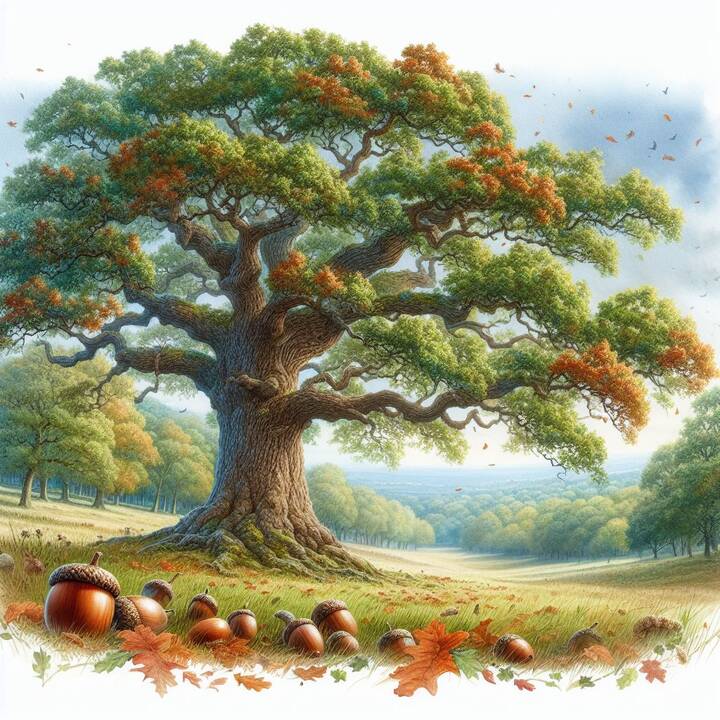
Strong societies, like strong trees, grow from healthy roots.
