Community Focused Special Schools
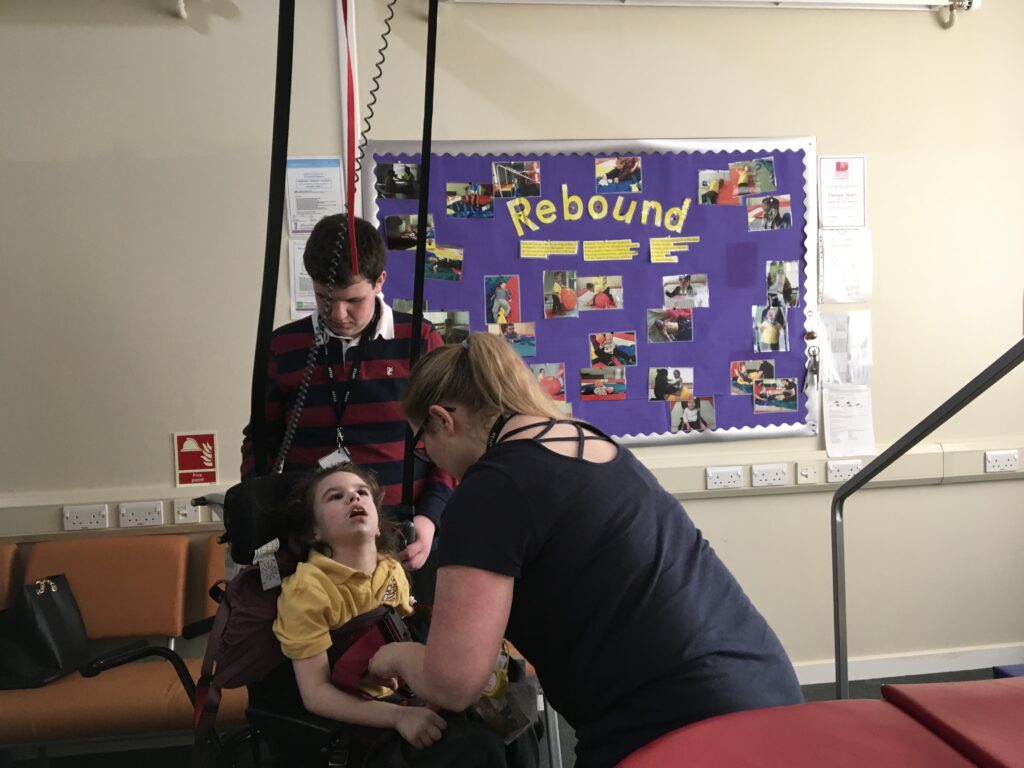
Do you know what really happens after our young people leave special school?
Some go on to college for a couple of years, but after that, opportunities in the community often shrink dramatically. Too many families find themselves without the structure, support, or sense of belonging they once had.
When I opened Ysgol Pen Coch, a special school in North Wales, in 2009, I wanted to change that narrative. With lottery funding and the support of an after-school advisor from our local authority, Lesley Courtney, we opened the school building in the evenings — welcoming adults with severe and complex needs so that they could use the hydrotherapy pool and experience other therapies that they would never have had the opportunity of when they were children. It worked beautifully. It gave adults purpose and connection and gave families something priceless: continuity.
In part there was a selfish reason too. I wanted our children, or should I say, our students, to be able to come back to our school when they reached adulthood. I wanted them to be able to come back to a place that they knew and felt safe in
Sadly, when I left just before COVID, the project ended due in part to the effects of COVID.
But I still believe this is the way forward — and the Welsh Government’s Equity in Education team (Equityineducation@gov.wales) share that vision. Their Community Focused Schools (CFS) programme actively encourages schools to use their facilities to support learners beyond school age.
Schools which are only open during the school day and term are a wasted resource. Making better use of the buildings not only serves the community, but is also beneficial to the school. Research shows that one in eight schools nationally suffers some form of arson attack each year.Two thirds of these attacks occur outside school hours. Many extended schools report reductions in vandalism due to increased use andownership of the school spaces by the local community.
If you work in a special school, this might be something your setting could explore — especially if you have the space, expertise, and heart for it. Schools can apply for CFS capital funding (via their local authority) to extend their facilities for community use.
💡 A few pointers:
- The 2025–26 funding cycle focuses on multi-agency activity and community partnerships.
- Schools must apply through their local authority CFS lead or Community Focused Schools Manager.
- Expressions of Interest (EoIs) are invited at the start of each financial year — and collaboration is key.
If your school could see itself becoming a lifelong hub for learners with complex needs, now is the time to start the conversation.
“If your school is exploring community-focused models, contact me for advice on setting up inclusive partnerships and funding applications.”
Our buildings don’t have to go dark when the school day ends.
With imagination and partnership, they can become community lifelines — places that continue to support our young people well into adulthood.
If this resonates with you or your school, I’d love to hear your thoughts or experiences — especially if you’ve managed something similar where you are.
